
Pantry Storage That Makes Dinner Easier
A practical pantry plan that keeps weekday ingredients visible, reachable, and ready when dinner needs to happen quickly.
Shopping disclosure: Well1566 Home may earn a commission from qualifying purchases made through marked links, at no extra cost to you. Recommendations are based on use cases and published details; we do not claim hands-on use unless an article explicitly documents it. Read our full disclosure.
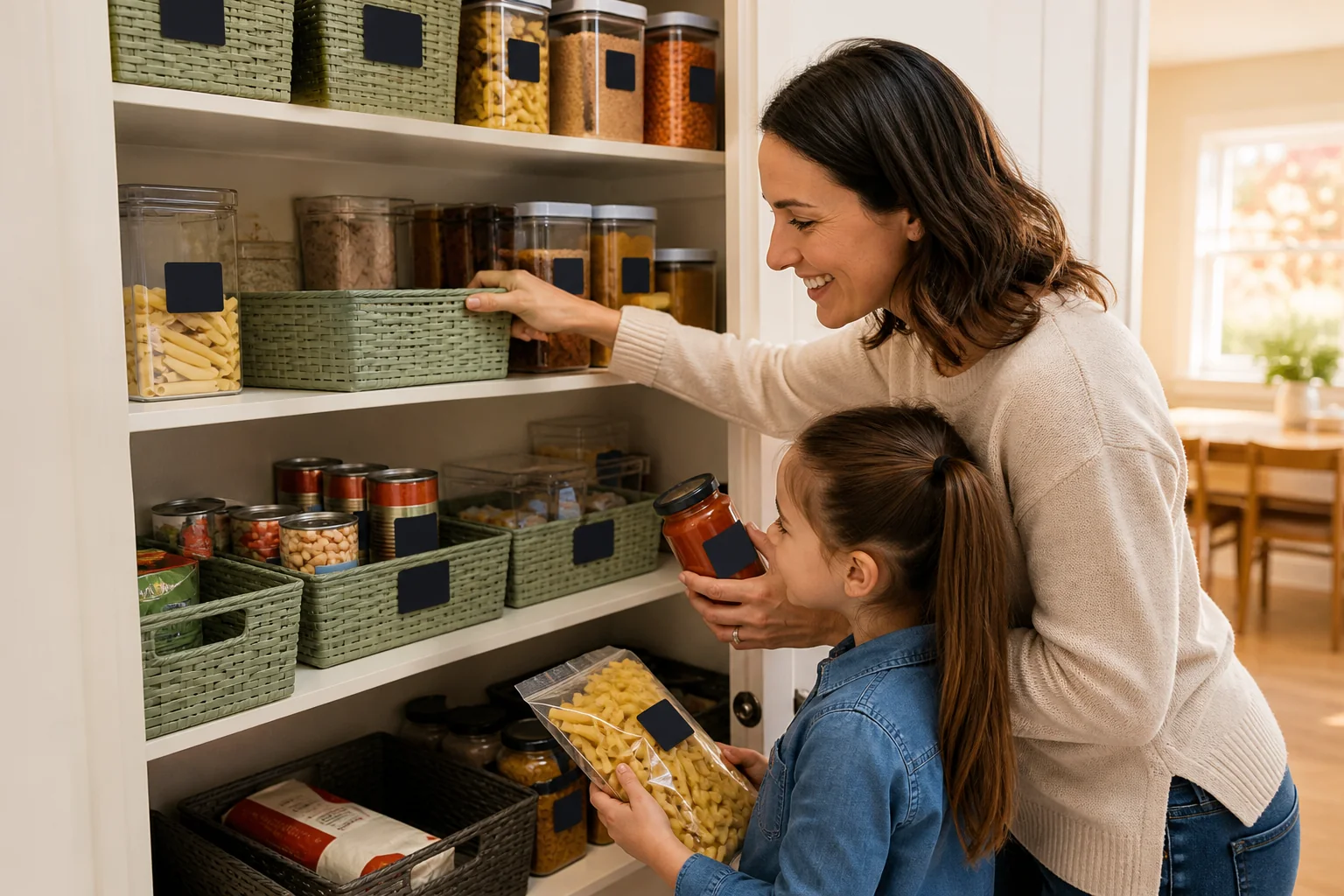
A useful pantry is less about matching containers and more about shortening the distance between a hungry household and a workable meal. When ingredients disappear behind one another, duplicate purchases pile up and the easiest dinner option can feel harder than takeout. The right storage creates clear zones, protects open packages, and lets everyone see what needs replacing.
Start with the way you actually cook. Different households need different layouts. Measure first, keep frequent foods between waist and eye level, and add containers only where they solve a specific access or freshness problem.
The Six-O'Clock Pantry Search
Picture a Tuesday evening when dinner needs to be on the table in forty minutes. The pasta is somewhere on the back of a deep shelf, an open bag of rice has tipped over, and three nearly empty snack boxes occupy the easiest spot. You buy tomato sauce later that week, then discover four jars hidden behind cereal. The pantry holds plenty of food, yet it does not help you decide or move quickly.
A better setup groups the dinner building blocks together: grains beside sauces, canned proteins near canned vegetables, and a small bin for opened packages that should be used first. Snacks live in a separate reachable zone, while occasional baking supplies move higher. Now a quick shelf scan suggests two meals, and the shopping list reflects what is genuinely missing.
Map Zones Before Buying Organizers
Empty one shelf at a time and sort its contents by purpose rather than package shape. Useful zones might include breakfast, lunch packing, quick dinners, baking, snacks, and backstock. Keep a small amount of open space in each active zone; a perfectly full shelf is difficult to use and nearly impossible to maintain after grocery day.
Measure the shelf width, depth, and vertical clearance, then note hinges, door frames, or fixed supports that reduce usable space. Deep shelves usually benefit from pull-forward bins, while shallow shelves may need only a riser. Place heavy jars and appliances lower, and reserve high shelves for light items used less often.
- Group ingredients by the meal or routine they support.
Choose Containers That Remove Friction
Clear bins are helpful when several small packets become visual clutter or when a deep shelf swallows items. Open-front baskets suit grab-and-go snacks, while handled bins are easier to pull from upper shelves. Airtight canisters earn their space for foods that go stale after opening, but transferring every unopened ingredient can create needless work and obscure cooking instructions.
Favor straight-sided containers that use shelf width efficiently and have lids that are easy for everyone in the household to operate. Before buying a coordinated set, test one size with the food you intend to store. A tall cereal container that cannot fit beneath the shelf above or a narrow bin that will not hold your preferred pasta shape is not a bargain.
- Use washable bins where crumbs and spills are likely.
Build a System That Survives Busy Weeks
Create a first-to-use spot for half-full packages and ingredients approaching their best-by date. A small basket near the front is enough. During meal planning, check that basket before opening a new package. Keep a simple shopping list nearby or use a shared phone list, adding staples when the backup moves into active use rather than when the last portion disappears.
A five-minute weekly reset is more sustainable than a dramatic seasonal overhaul. Return wandering items to their zones, wipe one shelf, combine duplicates when appropriate, and bring older goods forward. If one category repeatedly overflows, adjust the space or buying habit instead of purchasing another organizer by default.
- Date decanted food when freshness would otherwise be unclear.
A quick before-you-buy checklist
- Measure width, depth, height, and door clearance.
- List the meal-based zones your household actually needs.
- Choose washable materials for spill-prone shelves.
- Test container lids and handles before buying multiples.
- Reserve one visible area for food to use first.
The bottom line
The best pantry makes tonight's ingredients obvious and tomorrow's shopping list accurate. Begin with zones and measurements, then buy organizers that fix real access or freshness problems. A modest, flexible setup will usually outlast containers chosen mainly for appearance.
Frequently asked questions
Do I need to decant every pantry item?
No. Decant foods when a sealed container prevents staleness, controls spills, or makes quantity easier to see. Leave unopened foods and items with important preparation directions in their original packaging unless transferring them creates a clear daily benefit.
Are clear bins better than baskets?
Clear bins make contents easy to identify and are often simple to wipe clean. Opaque baskets can hide visual clutter and may suit open shelving. Choose based on visibility, cleaning needs, and whether the bin must be lifted from a high shelf.
How can I organize a pantry on a small budget?
Sort by zone first, reuse sturdy containers you already have, and add simple labels. Buy one organizer only for the shelf causing the biggest problem. Measuring carefully and purchasing gradually prevents an expensive collection of pieces that do not fit.
More in Kitchen & Dining
More guides you'll use

Meal Prep Containers for Real Weekday Lunches
Choose container shapes and materials around the lunches you actually pack, reheat, carry, and wash.
Read the guide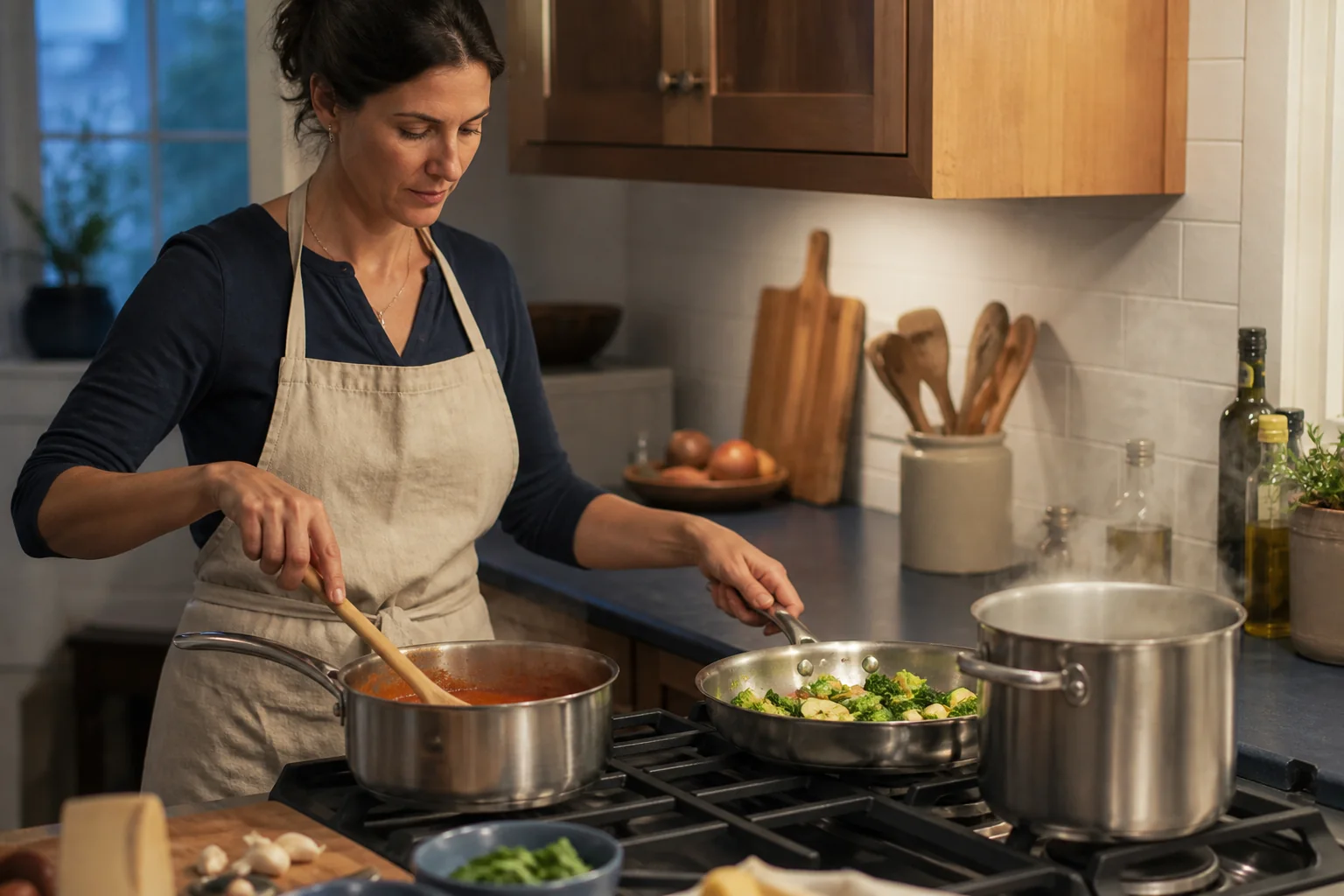
The Everyday Cookware Starter Set: What You Need
Build a compact cookware collection around everyday techniques instead of buying a boxed set with pieces you may never use.
Read the guide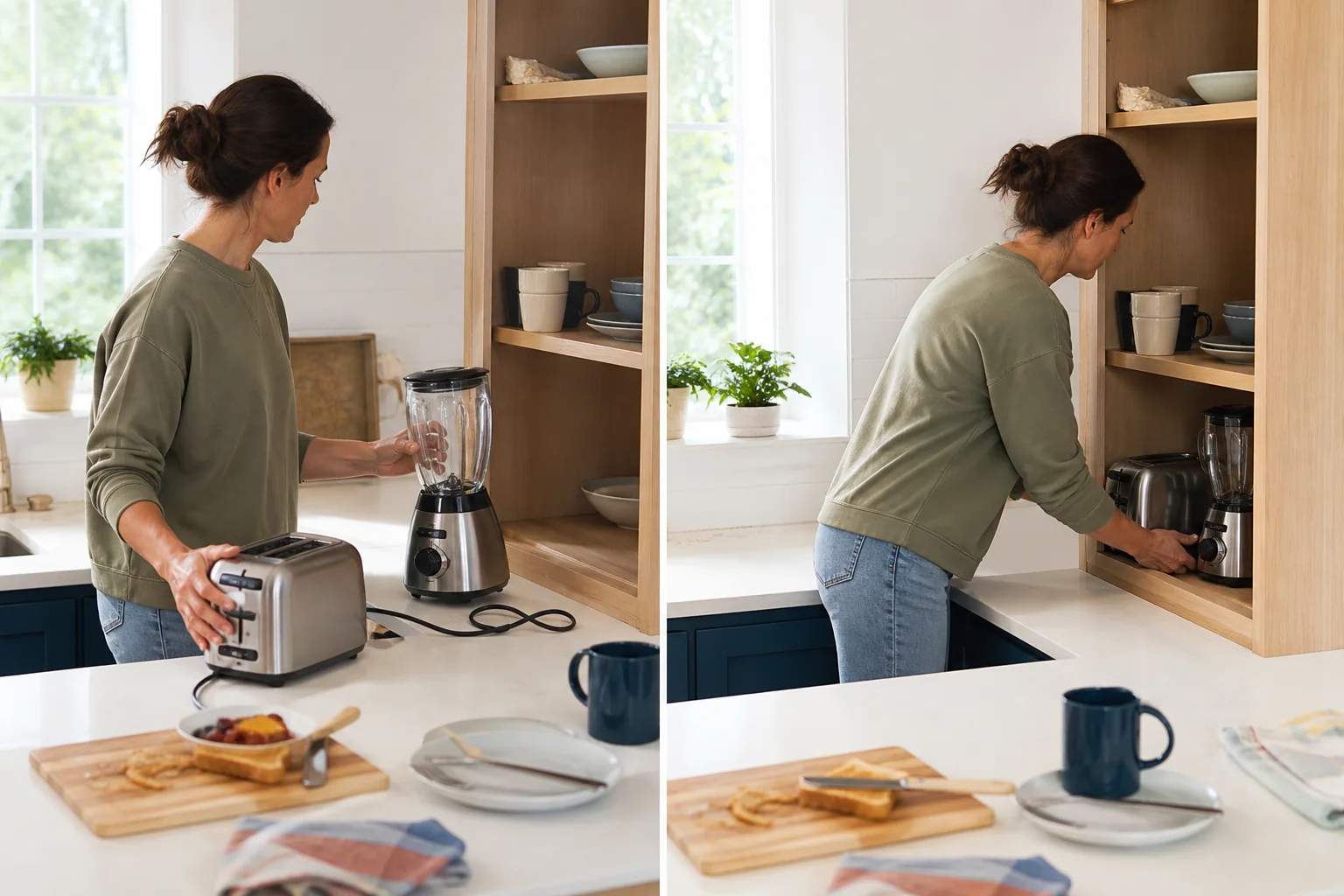
How to Keep Countertop Appliances Under Control
Decide which appliances deserve daily counter space and give occasional tools a measured, reachable storage plan.
Read the guide