
Meal Prep Containers for Real Weekday Lunches
Choose container shapes and materials around the lunches you actually pack, reheat, carry, and wash.
Shopping disclosure: Well1566 Home may earn a commission from qualifying purchases made through marked links, at no extra cost to you. Recommendations are based on use cases and published details; we do not claim hands-on use unless an article explicitly documents it. Read our full disclosure.

Meal prep containers are useful when they match the meal and the commute. A deep bowl suits soup or grain salads, while a divided box keeps crisp and saucy foods apart. Buying one large matching set before understanding those patterns often creates unused sizes and a drawer full of orphaned lids.
Review a normal week: where lunch is eaten, whether reheating is available, how far it travels, and when dishes are washed. Then compare materials, seals, nesting, and care directions. Follow official food-handling guidance and the container maker's instructions for heating, cooling, freezing, and dishwasher use.
Lunch After a Crowded Commute
On Sunday evening, three lunches are ready: pasta with sauce, a crisp salad, and leftovers with two side dishes. They must fit in a narrow office refrigerator after a bus ride. The current round containers waste bag space, and one loose lid makes the entire commute feel risky.
The new system uses a leak-resistant bowl for pasta, a divided rectangular box for the salad, and two stackable containers for leftovers. A small dressing cup stays upright inside the lunch bag. Each lid matches a single footprint, and the empty pieces nest after work. Prep becomes a packing decision rather than a hunt through the cabinet.
Match Shape to the Meal
Rectangular containers use refrigerator and lunch-bag space efficiently. Bowls make mixing easier, and shallow boxes support foods that should remain in one layer. Compartments help when textures need separation, but fixed dividers reduce flexibility for larger leftovers. Choose two or three repeatable formats instead of every available size.
Measure the lunch bag, refrigerator shelf, and typical portion footprint. Verify whether lids add height and whether several boxes stack securely. Transparent containers make contents visible; labels can show the preparation date and owner without opening each box.
- List the meals packed most often and the separation each requires.
- Compare exterior dimensions, not only stated capacity.
- Avoid specialty shapes that cannot stack with anything else.
Choose Material Around Carrying and Care
Glass offers a clear, rigid container but adds weight and can break. Lightweight plastic is easier for a long commute, though staining and odor retention vary by food and care. Flexible reusable bags save space for dry snacks or sandwiches but may be awkward for saucy meals. No material is ideal for every lunch.
Read the maker's temperature and appliance directions. A microwave-safe label does not make every lid suitable for every heating method, and freezer use can require expansion space. Replace damaged containers or seals rather than relying on a compromised fit.
- Carry a sample weight in the usual lunch bag before choosing heavy sets.
- Check whether gaskets remove for thorough cleaning.
- Confirm permitted heating, freezing, and dishwasher conditions.
Build a Lid System You Can Maintain
A simple lid family matters more than a large piece count. Look for containers sharing one or two lid footprints, and store lids upright in a small divider. If clips or seals have several parts, decide whether the household will realistically clean and reassemble them after each use.
Start with enough containers for two or three lunches, then note what is missing. Add a soup vessel only if soup enters the rotation; add dividers only if mixed textures are a recurring problem. This staged approach reduces cabinet clutter and directs spending toward pieces that will circulate every week.
- Store lids by footprint so missing pieces are visible.
- Keep one small leak-resistant cup for dressings or sauces.
- Add formats only after a repeated packing need appears.
A quick before-you-buy checklist
- List three lunches you pack repeatedly.
- Measure the lunch bag and refrigerator space.
- Choose material based on travel weight and reheating needs.
- Read all appliance and temperature directions.
- Check seals, clips, and removable gaskets for easy cleaning.
- Start with a small working rotation before expanding.
The bottom line
The best meal prep container system is a short rotation of shapes that fit your lunches, commute, and cleanup habits. Compare current retailer listings for exterior dimensions, shared lid sizes, gasket care, and permitted uses. Favor honest flexibility over a high piece count, and buy a specialty format only after the same packing problem appears several times.
Frequently asked questions
Are compartments necessary for meal prep?
Only when foods need separation for texture or convenience. A single open container is more flexible for pasta, soups, and mixed bowls, while compartments suit snack-style lunches and distinct sides.
How many containers should one person start with?
Begin with enough for two or three lunches and one small sauce cup. That reveals the shapes you actually reuse without creating a large collection before the routine is established.
What should I check for leak resistance?
Review the closure, gasket design, care instructions, and maker's intended use. Keep liquid containers upright in transit, inspect seals for damage, and do not assume every divided box isolates sauce.
More in Kitchen & Dining
More guides you'll use
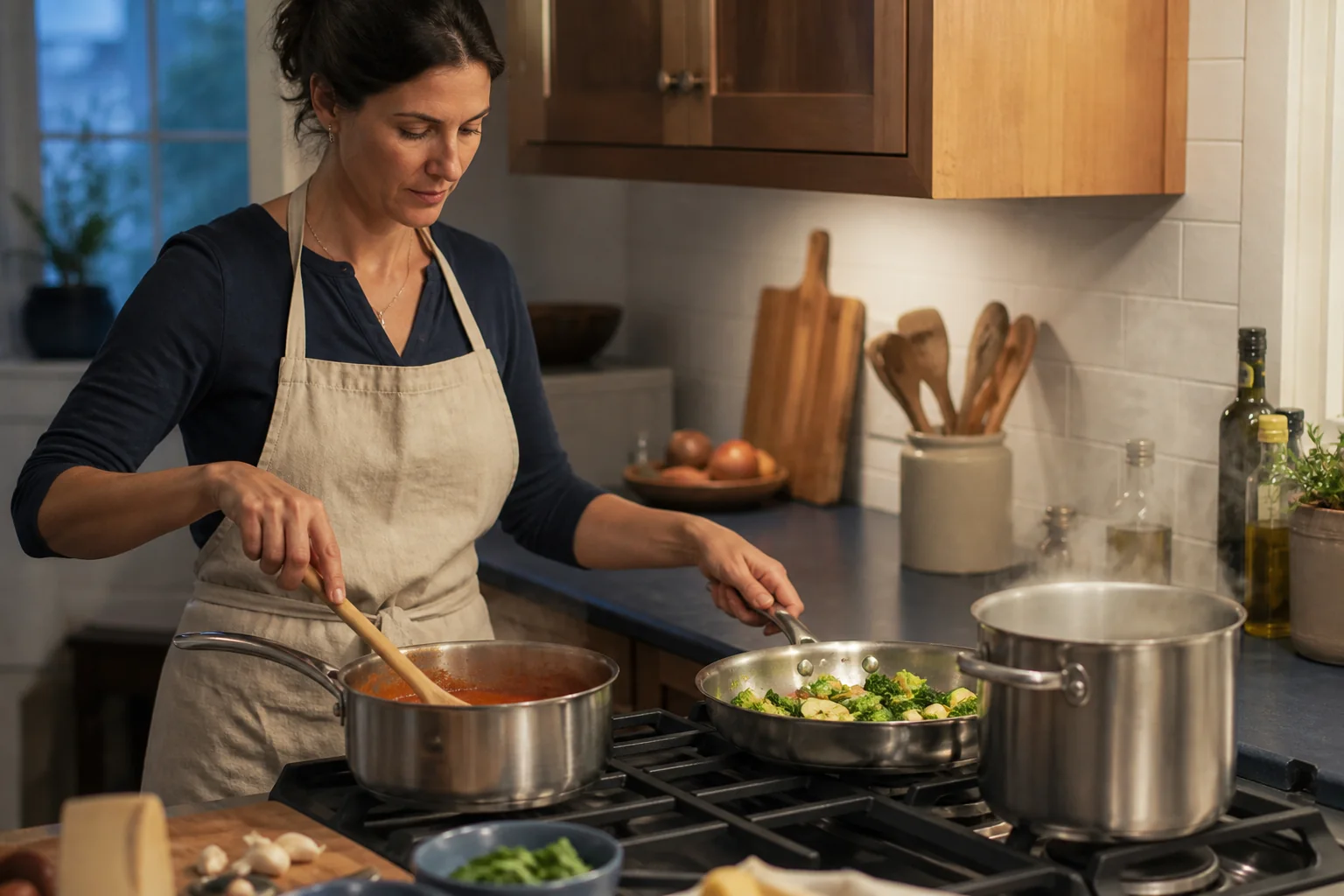
The Everyday Cookware Starter Set: What You Need
Build a compact cookware collection around everyday techniques instead of buying a boxed set with pieces you may never use.
Read the guide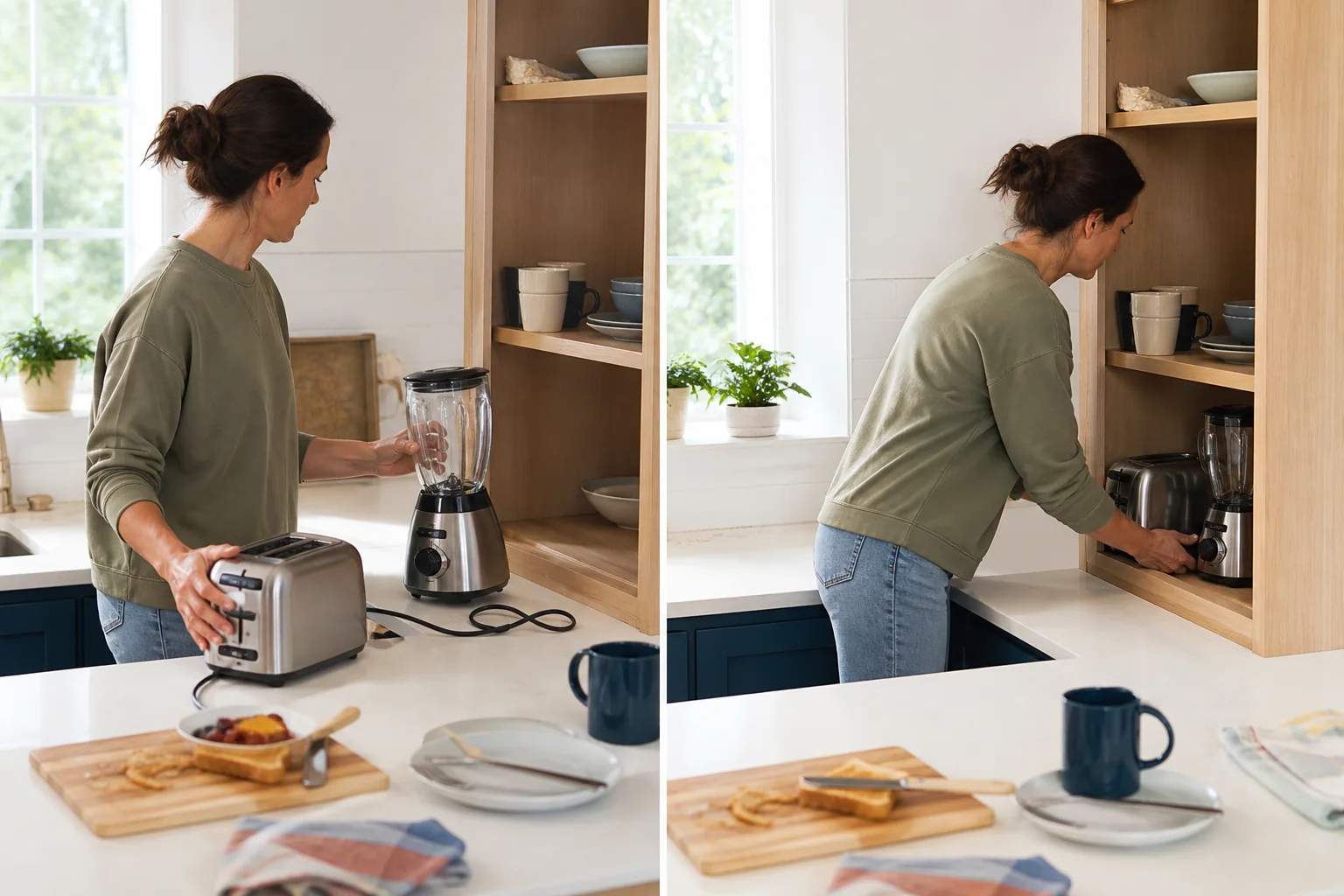
How to Keep Countertop Appliances Under Control
Decide which appliances deserve daily counter space and give occasional tools a measured, reachable storage plan.
Read the guide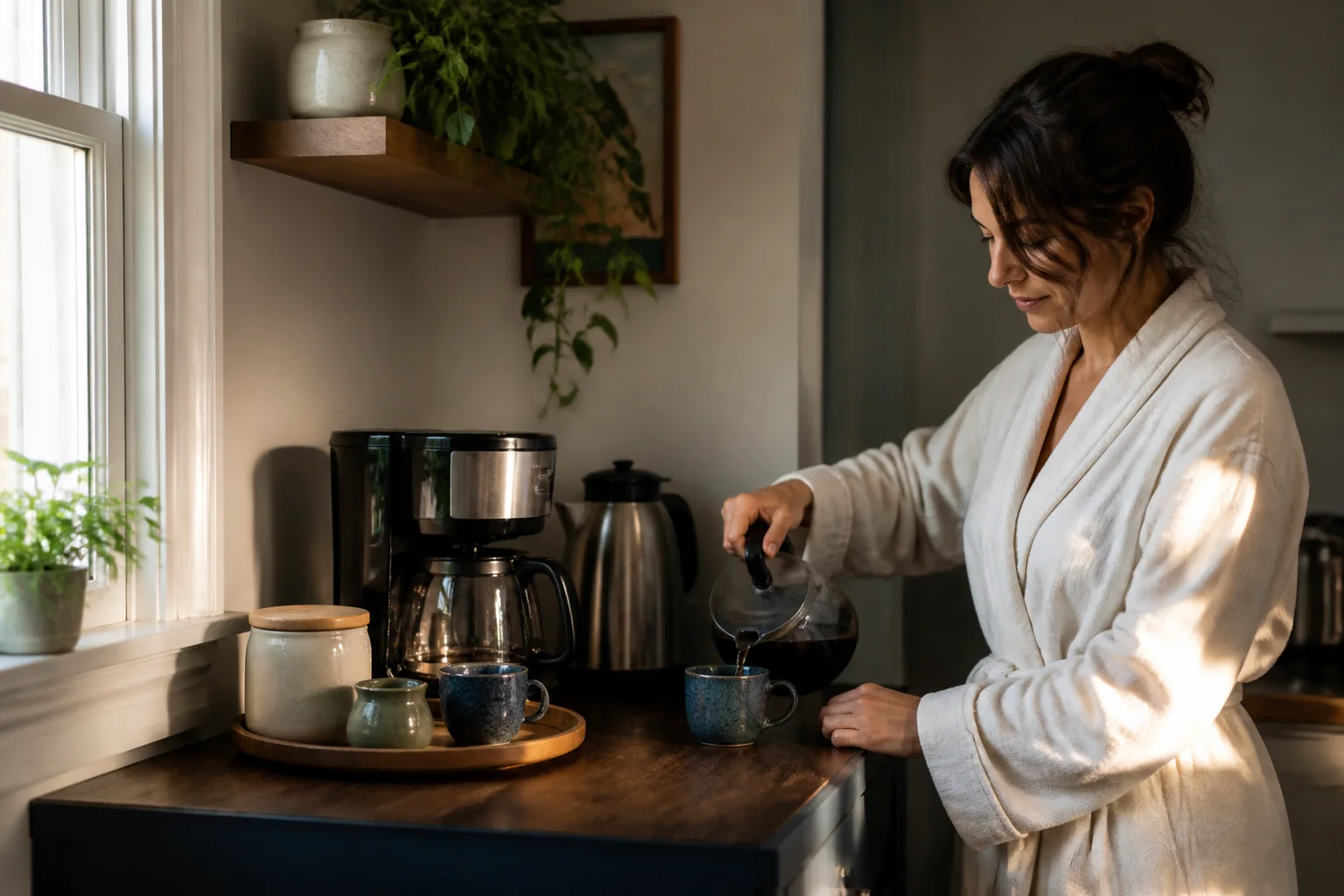
Build a Coffee Station for Unhurried Mornings
Group coffee tools, mugs, water, and cleanup supplies into a compact station that supports the way mornings really unfold.
Read the guide