
Laundry Hampers That Sort Before Wash Day
Choose a hamper that turns daily drop-offs into useful laundry loads without taking over the room.
Shopping disclosure: Well1566 Home may earn a commission from qualifying purchases made through marked links, at no extra cost to you. Recommendations are based on use cases and published details; we do not claim hands-on use unless an article explicitly documents it. Read our full disclosure.

A hamper can do more than hide worn clothing. When its compartments reflect the way you wash, it completes the first stage of sorting at the moment clothes come off. That can make an ordinary weekday load easier to start and reveal when towels or delicate items are ready, rather than leaving one overflowing basket to be sorted on the floor.
The right design depends on who carries it, where it stands, and how laundry reaches the machine. Capacity matters, but a larger hamper can become too heavy or too wide for the route. Treat ventilation, removable liners, handles, and compartment proportions as daily-use features, not decorative extras.
The Wednesday-Night Laundry Decision
A household needs clean school clothes by morning. The bedroom basket contains towels, dark jeans, a delicate top, and a few light uniforms, while another pile has formed behind the bathroom door. Sorting everything reveals that the urgent light load is smaller than expected, and the machine starts later than planned.
With a divided hamper, light everyday clothes already occupy one liner, dark items another, and towels a third. The full liner lifts out and travels down the hall without the hamper frame. Special-care garments go into a separate small mesh bag instead of entering the general flow, making the evening decision faster and reducing accidental mixing.
Design Compartments Around Your Loads
Observe how you currently separate laundry. Some households need lights, darks, and towels; others sort everyday items, workwear, and delicates. Labels should match that real behavior. Equal compartments look tidy but may be inefficient if towels fill twice as fast as delicate clothing, so consider adjustable dividers or separate containers for less common categories.
A compartment should hold roughly the amount you are willing and able to carry, not simply the maximum volume that fits the room. Very deep bags encourage overloading and make the bottom hard to reach. If several people use the system, clear words or simple washable tags help everyone put clothing in the intended section.
- Name sections after actual wash routines.
Plan the Route to the Washer
Measure doorways, stairs, and the space beside the machine as well as the hamper's home. Removable bags let the frame remain in place and can reduce bulk on narrow routes. Look for two substantial handles that can be held together, secure attachment to the frame, and a base seam that will support a normal full load.
A rolling sorter suits a level laundry area but can be awkward across thresholds or stairs. A lightweight freestanding basket travels more easily, though it may not separate categories. If laundry is on another floor, several modest lift-out liners are usually more practical than one furniture-like hamper that must be dragged or emptied into another basket.
- Walk and measure the complete laundry route.
Manage Airflow, Cleaning, and Visual Clutter
Ventilation matters when damp towels or workout clothing enter the hamper, although very wet items should be allowed to dry as appropriate before being enclosed. Open-weave bodies and breathable liners permit more airflow than sealed bins. Lids conceal clothing but can reduce ventilation and add a step that encourages items to land on top.
Check whether liners are washable and how easily the frame can be wiped. Light-colored fabric may show marks but makes dark stray items easy to spot; dark fabric hides scuffs but can conceal small socks. Whatever the style, leave enough clearance to lift liners straight up and enough floor space to clean around the hamper.
- Let very damp items dry before enclosed storage.
A quick before-you-buy checklist
- Track the load categories your household actually uses.
- Measure floor space, doors, stairs, and lifting clearance.
- Choose a capacity that remains comfortable to carry.
- Inspect removable liner handles and bottom seams.
- Prioritize airflow for frequently damp clothing.
- Check whether liners and frames are easy to clean.
- Use labels everyone in the household understands.
The bottom line
A divided hamper saves time when its sections become real wash loads and its liners travel easily to the machine. Choose proportions around household habits, measure the full route, and resist oversizing. Ventilation, washable materials, and comfortable handles are the details most likely to keep the system working after the novelty fades.
Frequently asked questions
How many hamper sections are useful?
Use the smallest number that matches your recurring wash categories. Two sections may cover lights and darks, while a third can hold towels. More compartments add width and may remain half empty if they do not reflect real habits.
Should a laundry hamper have a lid?
A lid reduces visible clutter, but it adds a handling step and may restrict airflow. Choose one if appearance matters and the contents are normally dry; an open design can be more convenient for busy households.
Are removable laundry bags worth it?
They are especially useful when the hamper stays in a bedroom and the machine is elsewhere. Check that handles, seams, and frame attachments suit a full load and that the bags can be cleaned according to their care guidance.
More in Cleaning & Organization
More guides you'll use

How to Choose a Cordless Vacuum for Daily Messes
Find a cordless vacuum that suits your floors, storage, household debris, and realistic cleaning rhythm.
Read the guide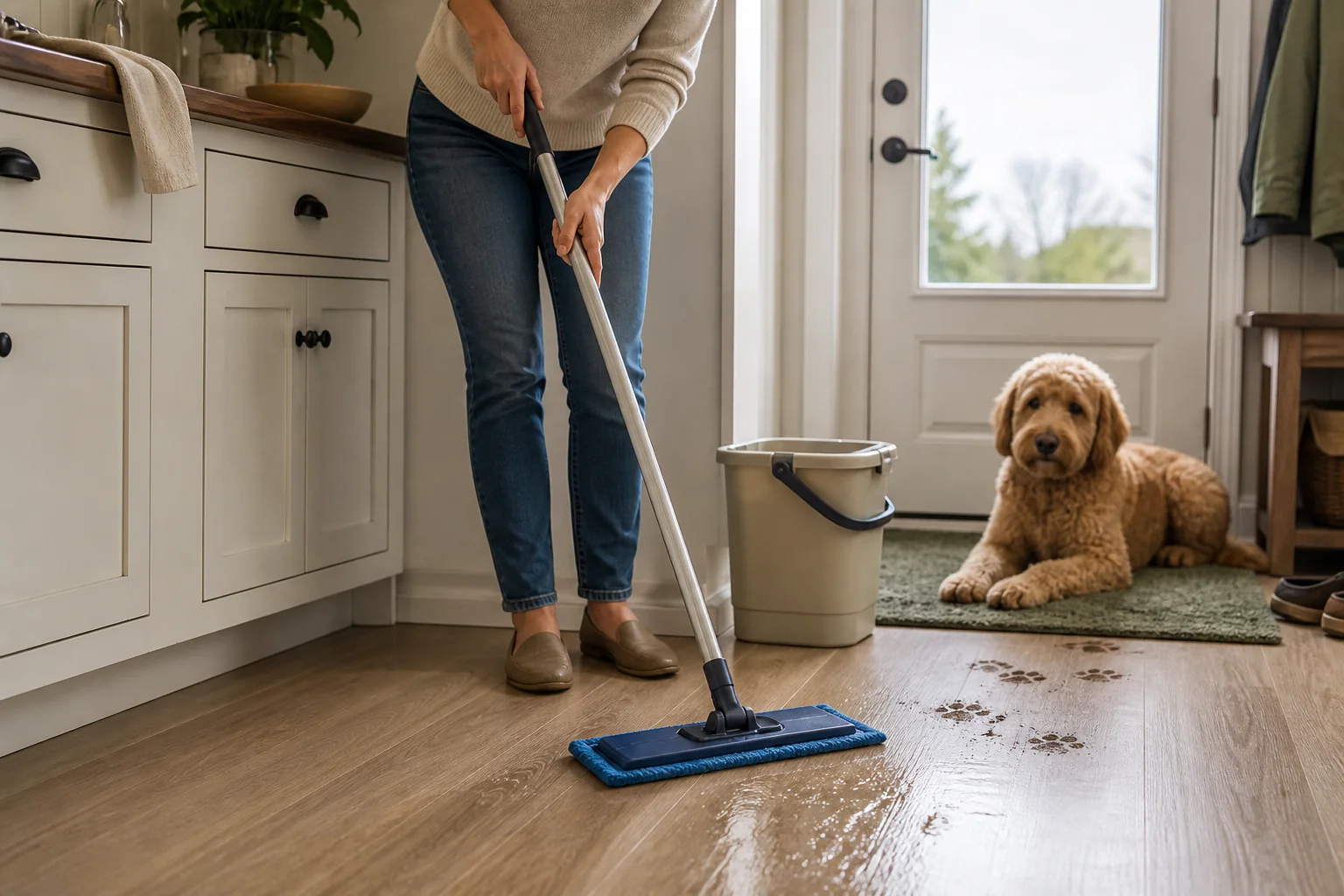
Mop Systems for Quick Kitchen and Entryway Cleanups
Compare spray, spin, and flat mop systems by the spills, floor finishes, and storage limits in your home.
Read the guide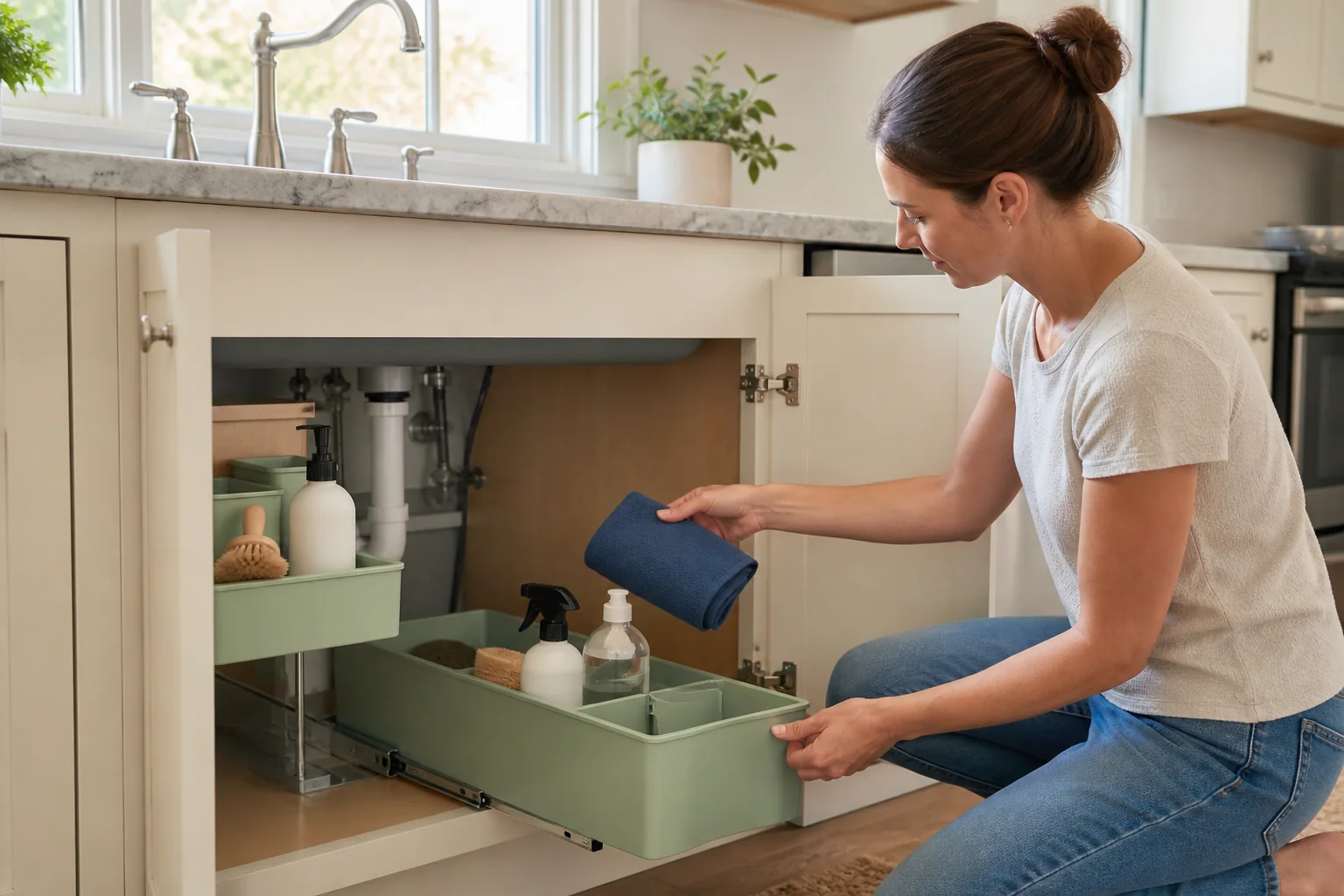
Under-Sink Organization Without Wasted Space
Turn an awkward cabinet around plumbing into safe, visible storage for the supplies you use most.
Read the guide