
How to Choose a Cordless Vacuum for Daily Messes
Find a cordless vacuum that suits your floors, storage, household debris, and realistic cleaning rhythm.
Shopping disclosure: Well1566 Home may earn a commission from qualifying purchases made through marked links, at no extra cost to you. Recommendations are based on use cases and published details; we do not claim hands-on use unless an article explicitly documents it. Read our full disclosure.

A cordless vacuum earns its place by being ready for the crumbs, tracked grit, and stray hair that appear between deeper cleans. Convenience matters, but so do floor type, handling, bin maintenance, storage, and access to replacement parts. The strongest specification on a product page will not help if the vacuum is awkward to lift or buried in a closet without a charged battery.
Treat runtime figures and performance language as published guidance, not a promise for every home. Power mode, floor tool, debris, battery age, and technique can all affect actual use. A better buying process begins with the route you clean most often and the messes that send you reaching for a vacuum.
The After-Dinner Cleaning Loop
Dinner ends, chairs slide back, and a trail of rice and crumbs runs from the table toward the kitchen. The hallway rug has picked up outside grit, while pet hair has collected along the sofa edge. Pulling out a full-size vacuum, unwinding its cord, and changing outlets feels disproportionate to a ten-minute reset, so the debris waits until the weekend.
A suitable cordless model can move from hard floor to rug, reach beneath the chair rails, and convert for the sofa edge without turning the job into a project. Its wall mount or compact stand lives near an outlet, the bin empties without a cloud of dust, and the battery has enough practical margin for the household's normal loop.
Start With Floors, Debris, and Cleaning Distance
Hard floors need a head that gathers crumbs without scattering them, while rugs may benefit from a powered brush and adjustable power. Homes with long hair or shedding pets should examine how easily hair can be removed from the brush roll. If delicate flooring is part of the route, confirm that the tool and wheels are appropriate for its finish rather than assuming one head suits every surface.
Walk the usual cleaning path and estimate how long it genuinely takes, including stairs and furniture. Compare that routine with the manufacturer's runtime conditions, noting that maximum figures may apply to lower power or a non-motorized attachment. A removable battery can extend service life or support a second pack, but it adds cost and storage considerations.
- List each floor transition on your normal route.
Handling Matters More Than a Feature List
Published weight does not reveal where that weight sits. A motor and battery near the hand can feel tiring during overhead or stair cleaning even when total weight looks reasonable. Look for balanced handling, a swivel that turns around table legs, and a head low enough to reach under the furniture you actually own. A trigger that must be held continuously may also be uncomfortable for longer passes.
Useful attachments solve recurring jobs: a crevice tool for baseboards, a small powered head for upholstery, or a soft brush for shelves. More accessories are not automatically better if they lack an organized storage point. Check how the vacuum converts, whether attachments lock securely, and where every piece will live.
- Consider wrist load as well as total machine weight.
Plan for Dust Disposal and Long-Term Care
Small bins keep a vacuum compact but require frequent emptying, especially with hair or bulky crumbs. Review how the bin opens and whether your hand must reach inside to clear packed debris. People sensitive to dust may prefer a design that releases contents deep inside a trash bag or a bagged alternative, though the latter creates an ongoing supply need.
Filters, brush rolls, batteries, and clips are wear points. Read the maintenance instructions before buying and check whether replacements are sold by the brand or established retailers. Washable parts need time to dry fully, so a spare filter may be useful in a home where the vacuum is used daily.
- Confirm how filters are cleaned and how often care is suggested.
A quick before-you-buy checklist
- Match the floor head to your actual surfaces.
- Compare runtime under the power mode you expect to use.
- Assess balance, grip, trigger, and wrist load.
- Measure furniture clearance and charging space.
- Review bin emptying and filter care instructions.
The bottom line
Choose around the daily route, not a headline specification. Floor compatibility, handling, maintenance, and charging determine whether a vacuum gets used. Select the simplest model that handles everyday messes with margin.
Frequently asked questions
Can a cordless vacuum replace a full-size vacuum?
It can for some smaller homes and lighter routines, but the answer depends on carpet depth, debris load, bin capacity, runtime, and desired deep-cleaning ability. Consider keeping a larger machine if the cordless model is mainly for daily maintenance.
How much runtime do I need?
Time your ordinary cleaning loop and add margin for stronger modes, powered tools, and normal battery aging. Compare published runtime conditions carefully because maximum figures may not reflect the combination you plan to use.
Are more vacuum attachments worth paying for?
Only when they address a recurring task and have a convenient storage place. A crevice tool and upholstery head often cover common needs; a large bundle of specialty tools may add cost without improving the routine.
More in Cleaning & Organization
More guides you'll use
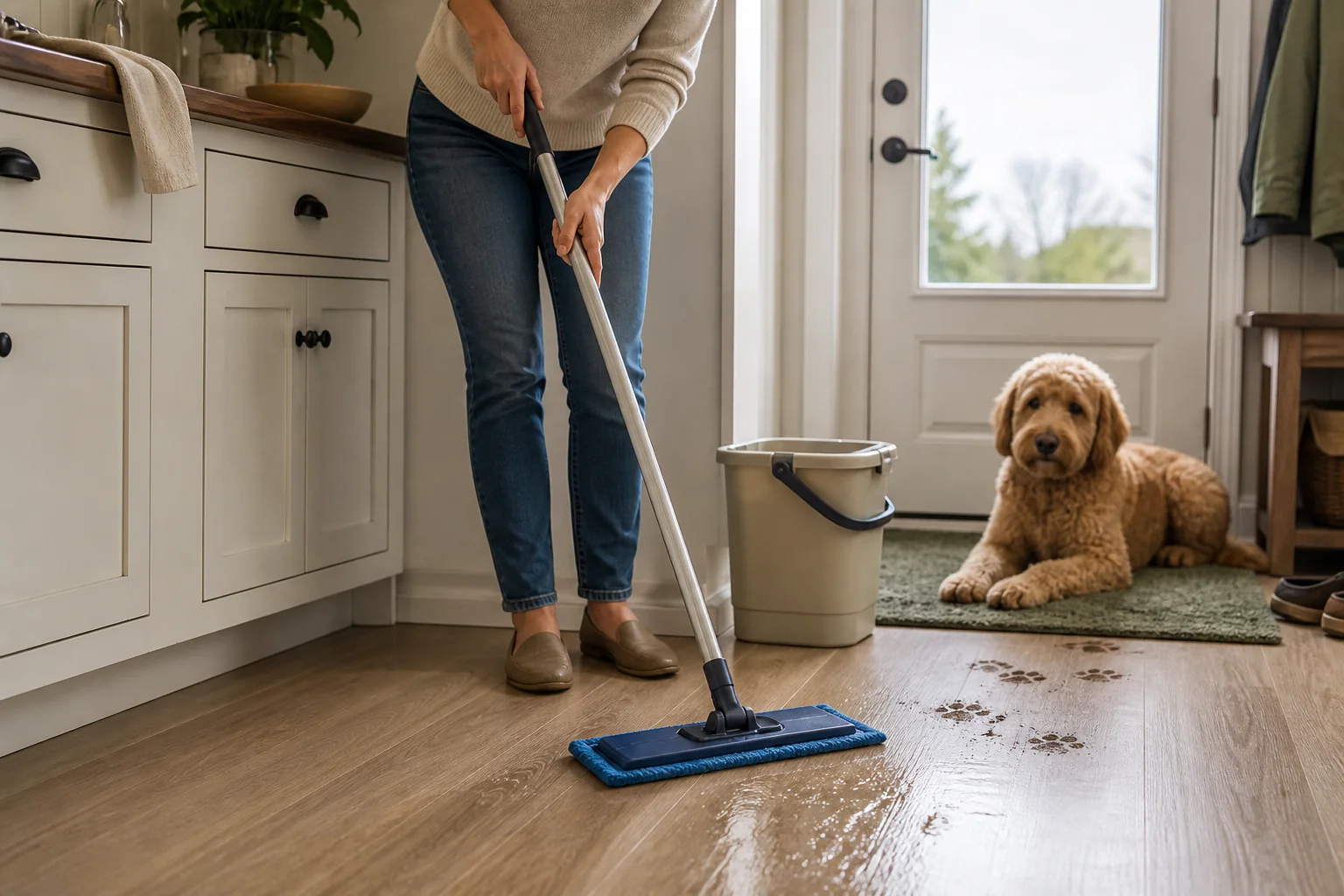
Mop Systems for Quick Kitchen and Entryway Cleanups
Compare spray, spin, and flat mop systems by the spills, floor finishes, and storage limits in your home.
Read the guide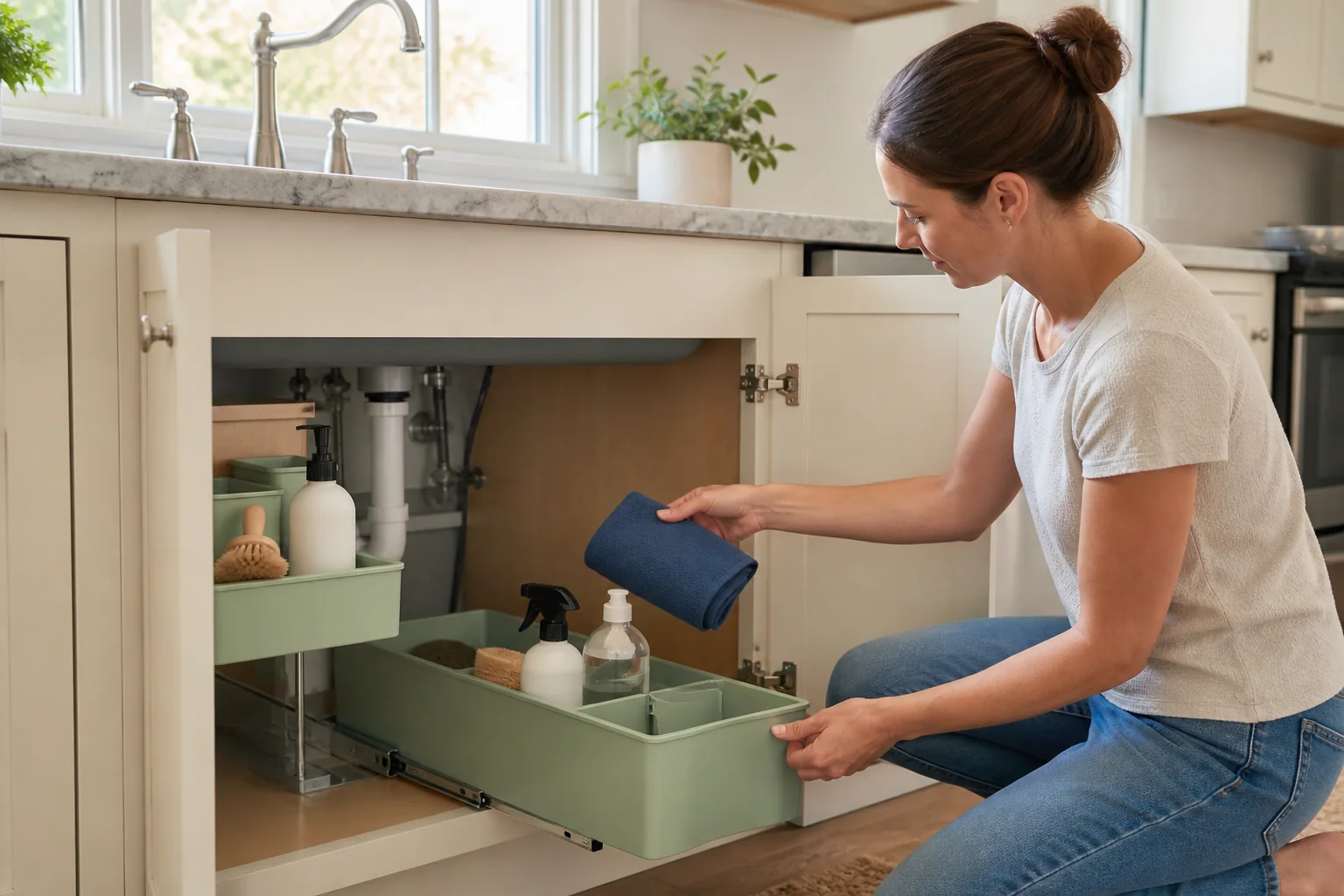
Under-Sink Organization Without Wasted Space
Turn an awkward cabinet around plumbing into safe, visible storage for the supplies you use most.
Read the guide
Closet Hangers That Make a Small Wardrobe Feel Bigger
Choose hanger shapes and materials that protect clothes, improve visibility, and use a compact rail wisely.
Read the guide